
Learning Discovery
By Marc Airhart. Photos by Jason Risner.
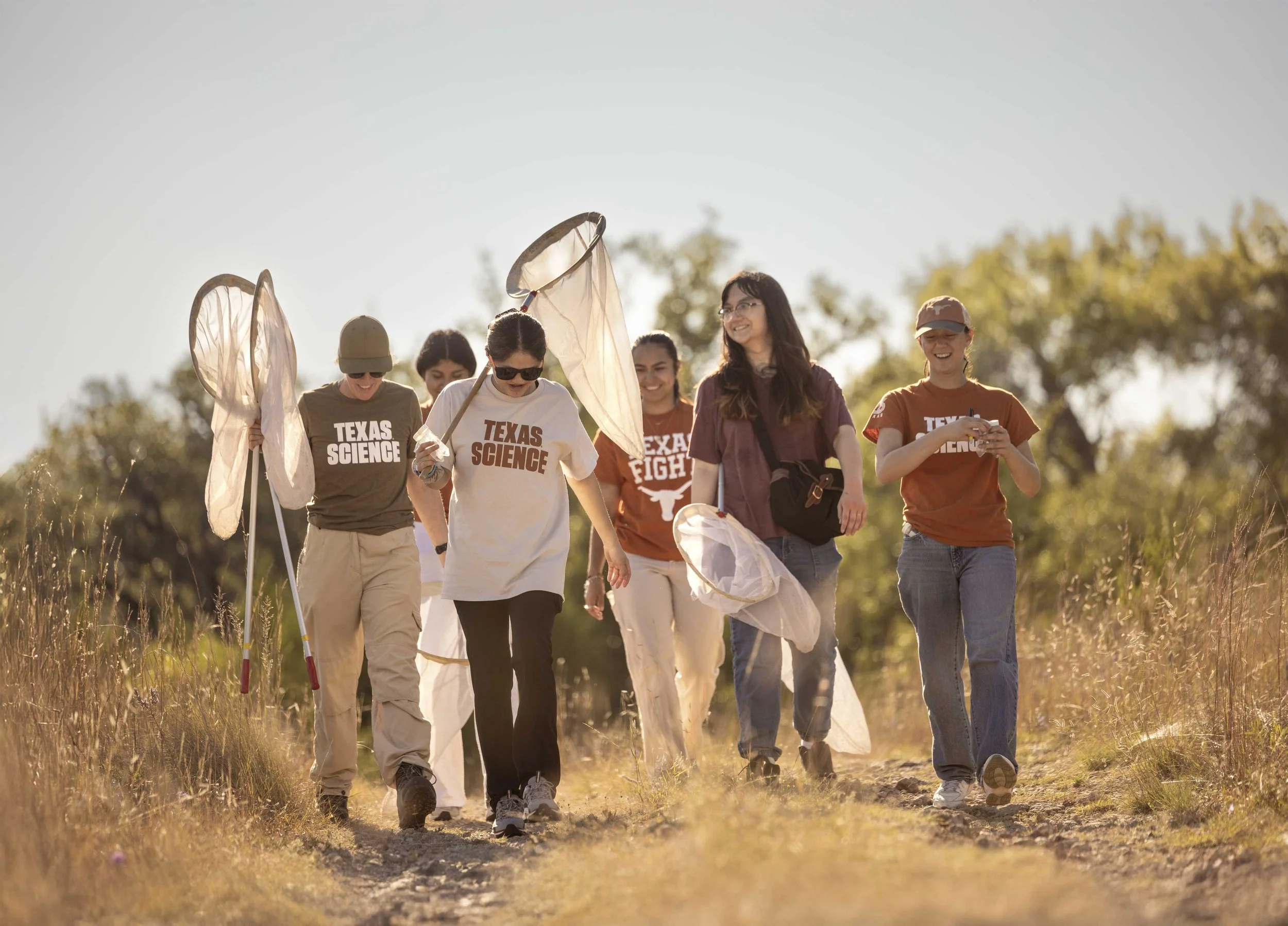
WHEN SHE FIRST ARRIVED at UT, like many students, Lexie Martin (B.S. and B.S.A. ’21) thought she might go into health care after graduation. But when she joined the Freshman Research Initiative and picked a research topic, her plan changed: she discovered a passion for insects. To her chemistry major, she added a second in biology and took her first classes in entomology and evolution.
“This is so cool! I have to go into this,” she recalled saying to herself. “All of those classes really solidified that that was the route for me.”
She was delighted to study insects at the Brackenridge Field Laboratory close to the main UT campus, where she could literally walk out the back door and collect bees and wasps. Her research educator (FRI’s term for a faculty mentor), Jo Holley, was supportive, helping her apply for grants and scholarships and encouraging her to present her research at seven national conferences, where she won two awards. Eventually, Martin would co-publish a paper with Holley about the black and yellow striped Mexican honey wasp, which they discovered has microbiomes more like those of bees than of wasps. (The researchers’ collaboration is playfully named “Bugs in Bugs.”) Now, thanks in part to a recommendation from Holley, Martin is a fifth-year Ph.D. candidate in entomology at a top program at the University of California, Davis.
UT Austin’s FRI is the country’s largest initiative hosting first-year students in labs with scientists to work on real-world problems. About 1,100 new students join the program each year, and another 700 students continue as peer mentors. With 36 different areas of focus, called research streams, spanning from insects’ microbes to robotics to superconducting materials to biomanufacturing — it’s also the most wide-ranging in scientific disciplines.
“In most places, when you join a lab as an undergrad, you’re helping with lab chores or assisting on someone else’s project. You don’t have the freedom to choose what you want to do,” Martin said. “But FRI gives students the opportunity to pursue independent research as an undergrad.”
Bold Beginnings
In 2005, UT faculty and leaders were seeking ideas for giving undergraduates the chance to do meaningful research early on. Too many promising students were having to wait until they were juniors or seniors to start, giving only limited time to dig deeply into meaningful research. Some would abandon STEM before then, weary from too many lectures and too little hands-on engagement. It was a problem everywhere: the National Science Foundation even wanted to know how best to enhance the undergraduate research experience.
To put UT in a strong position for related NSF funding, the dean of the College of Natural Sciences at the time, Mary Ann Rankin, set aside space and funding to start a pilot program. It had 43 students in chemistry, biochemistry and molecular biology research streams in Spring 2006. The University soon after received grants from the NSF and the Howard Hughes Medical Institute that allowed the program to rapidly expand under the guidance of FRI’s first director, Sarah Simmons.
[FRI] boosts a students’ chances of staying in a STEM major and graduating within four years.
“It was an amazing time at UT,” Simmons said of the early years of FRI. “We had students doing research on white dwarf stars, cell signaling in plants, synthetic molecules called aptamers and nanomaterials. Freshmen were working on a state-of-the-art self-driving car with a lidar laser on top and competing in the DARPA challenge. Every week, I’d hear a freshman say, ‘We found this amazing thing!’ How do you beat that?”
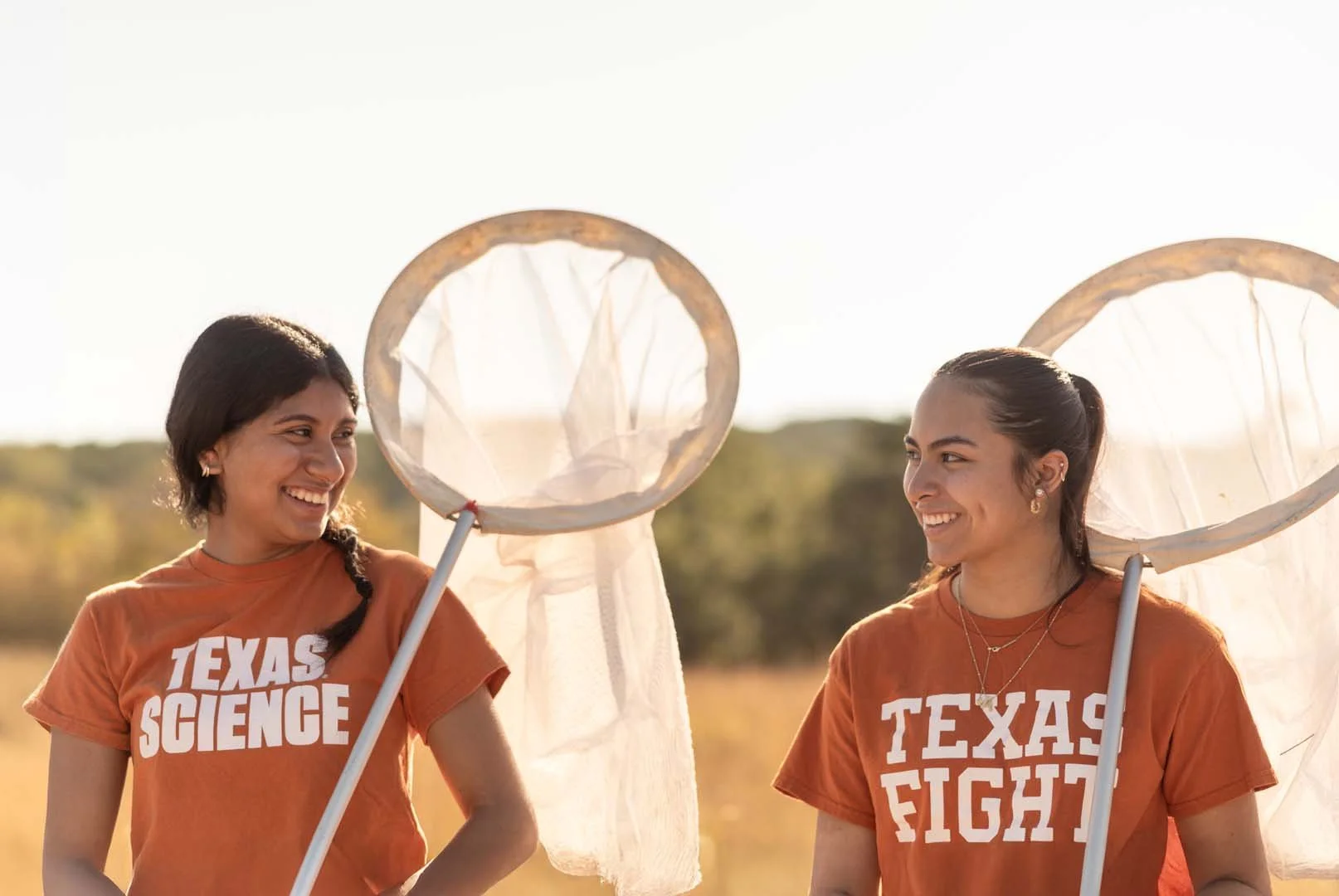
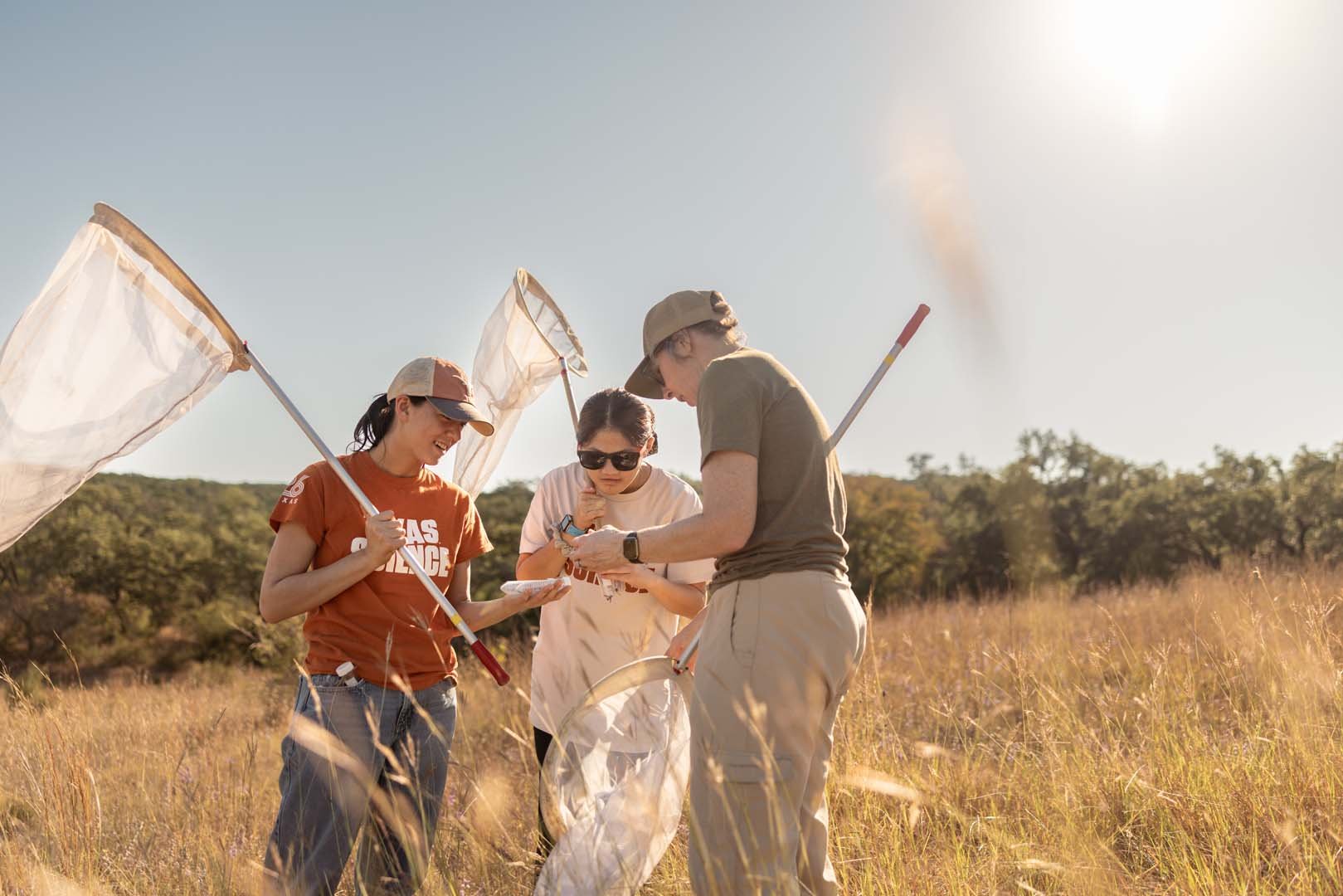
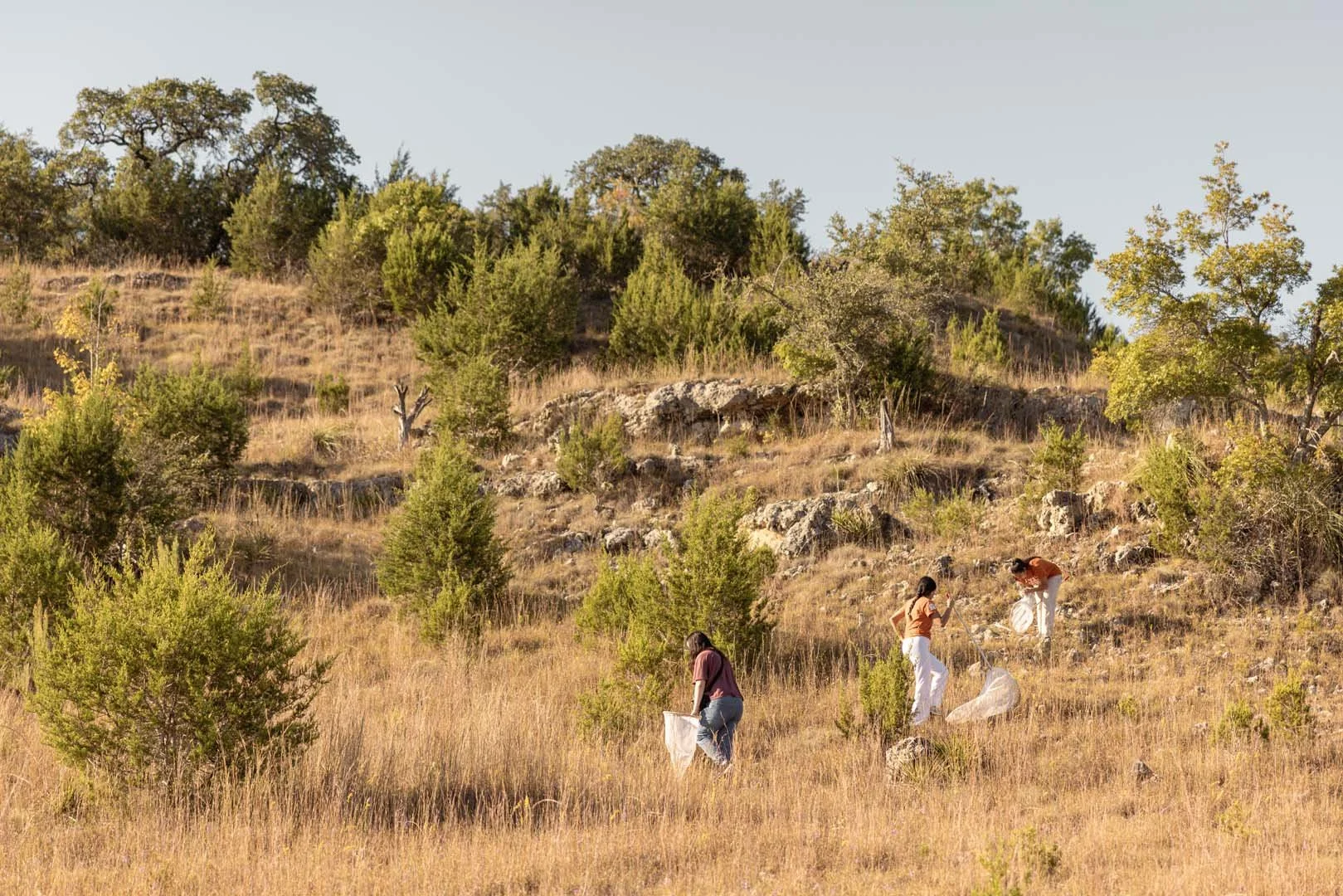
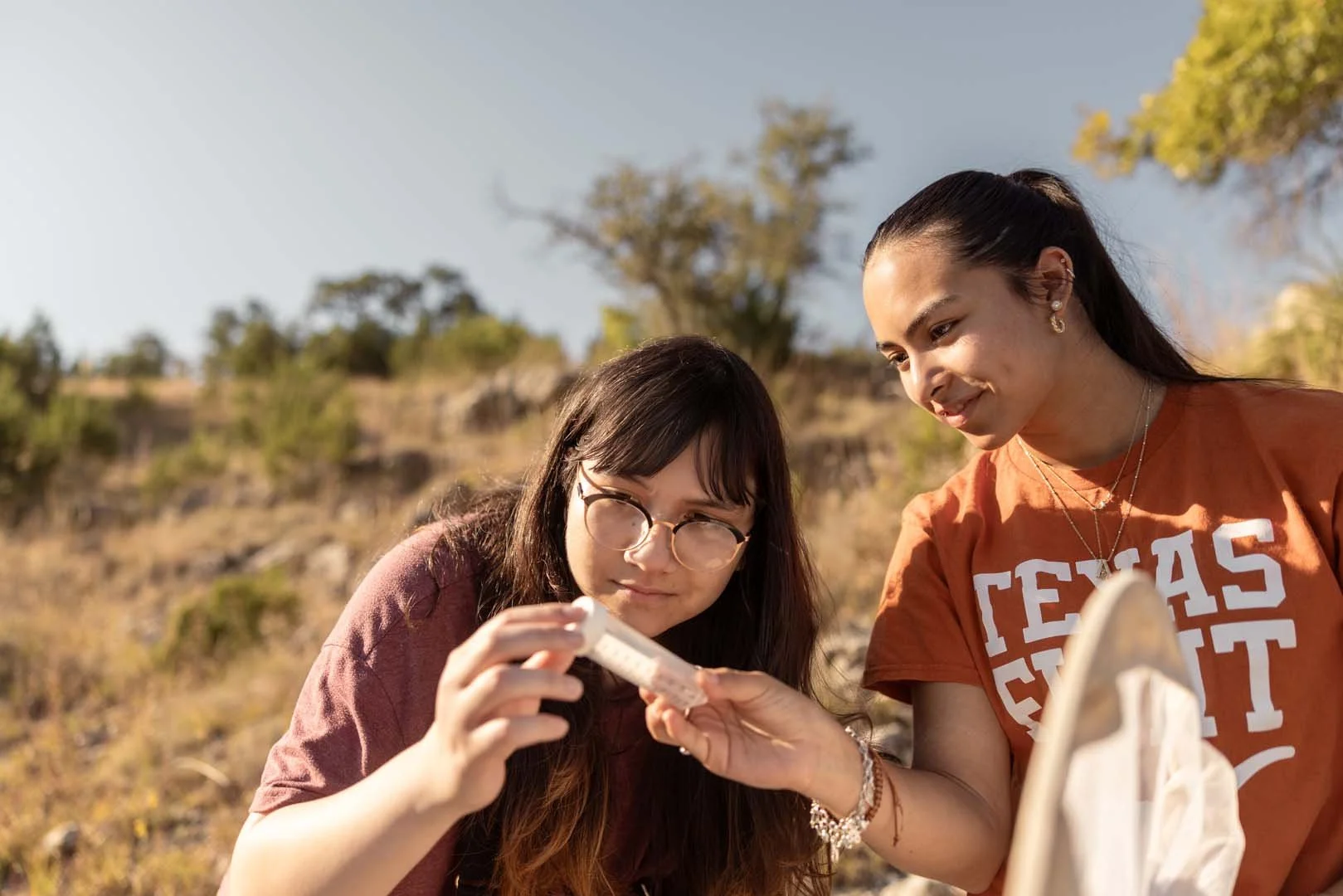
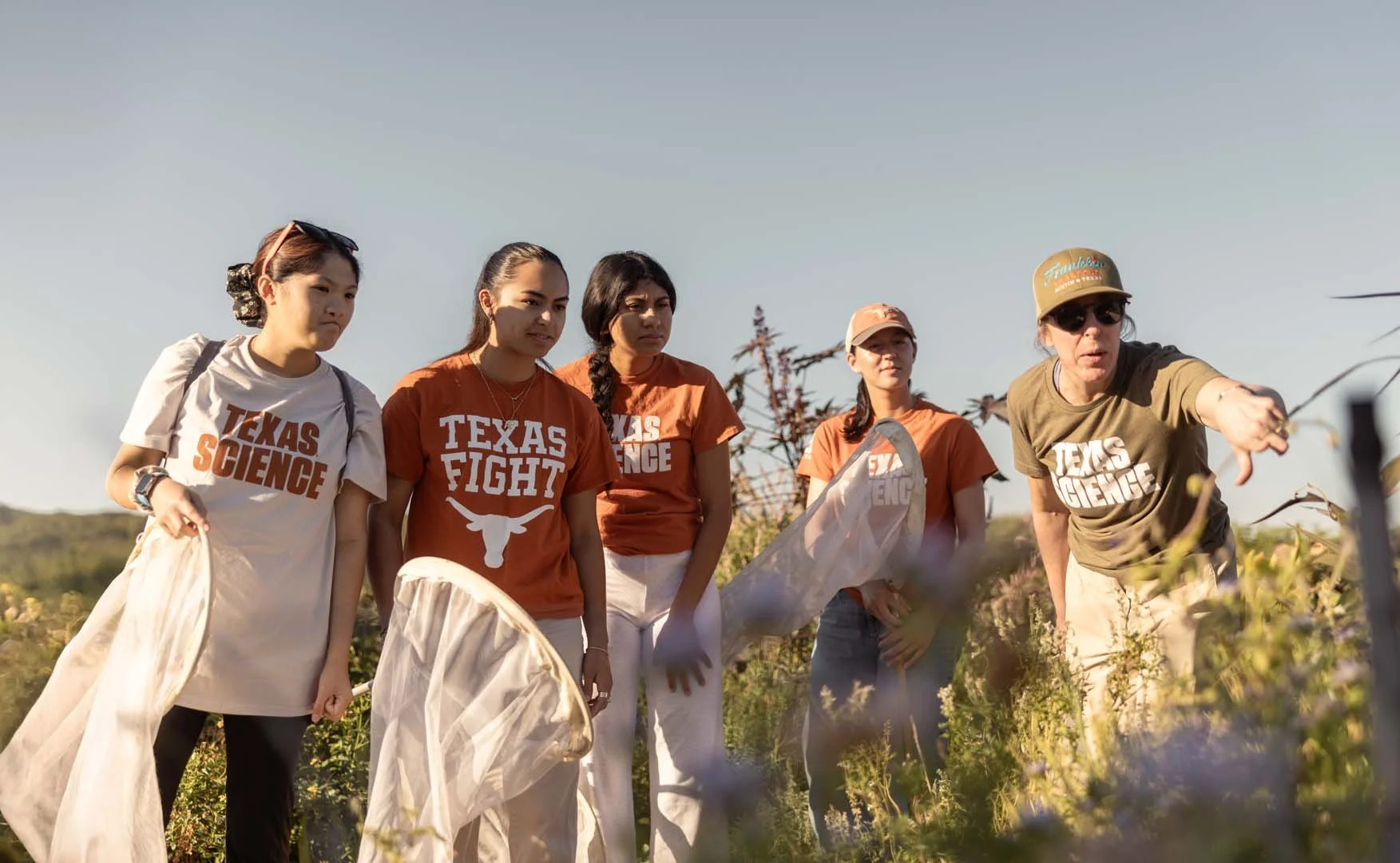
To date, more than 16,000 UT students have participated in the program. More than 350 have co-authored scientific publications, and hundreds have presented their work at national conferences. Research on FRI has found it boosts students’ chances of staying in a STEM major and graduating within four years, all while students do work connected to real-world questions with potential benefits for society. Unsurprisingly, several other universities around the country have since replicated FRI, albeit on a smaller scale.
“To have helped make FRI possible is one of the things I’m most proud of in my career,” said Simmons, now an administrator at the nonprofit Patient-Centered Outcomes Research Institute. “To have found a model that’s sustainable – that other people have replicated and is still going strong, feels like a bit of a miracle and is such a gift for me to have been a part of.”
FRIends Indeed
If you ask FRI students and the research educators who mentor them what they value most about the program, one word comes up repeatedly: community.
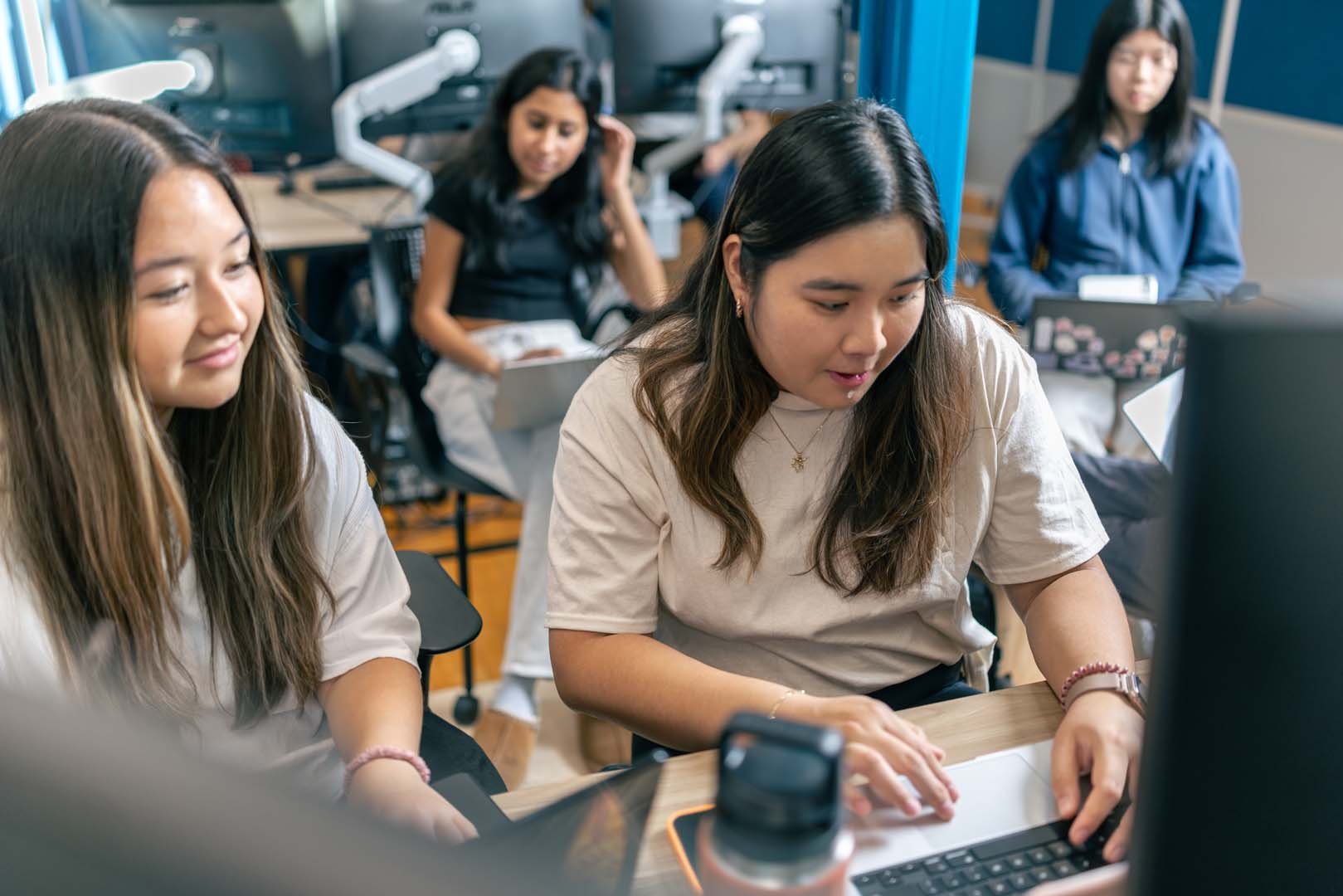
“We give students a space that they can call their own and feel comfortable in, where they can develop relationships and work on shared projects,” said Holley, Martin’s research educator. “I always think of FRI as kind of like Montessori for college students, because undergraduates who are more senior help and support the younger undergraduates.”
Every research stream includes faculty, peer mentors and a small cohort of students.
“When I started at UT, I didn’t know anybody in my major. I felt kind of lonely, like probably a lot of college students at first,” Martin said, “so it was really nice to have a built-in group of friends who were all interested in the same things. And that helped me be a better student.”
Students bond, too, over safely learning from failure – one of the most reliable features of cutting-edge scientific research. If you’re not failing along the way, scientists say, you’re probably playing it too safe.
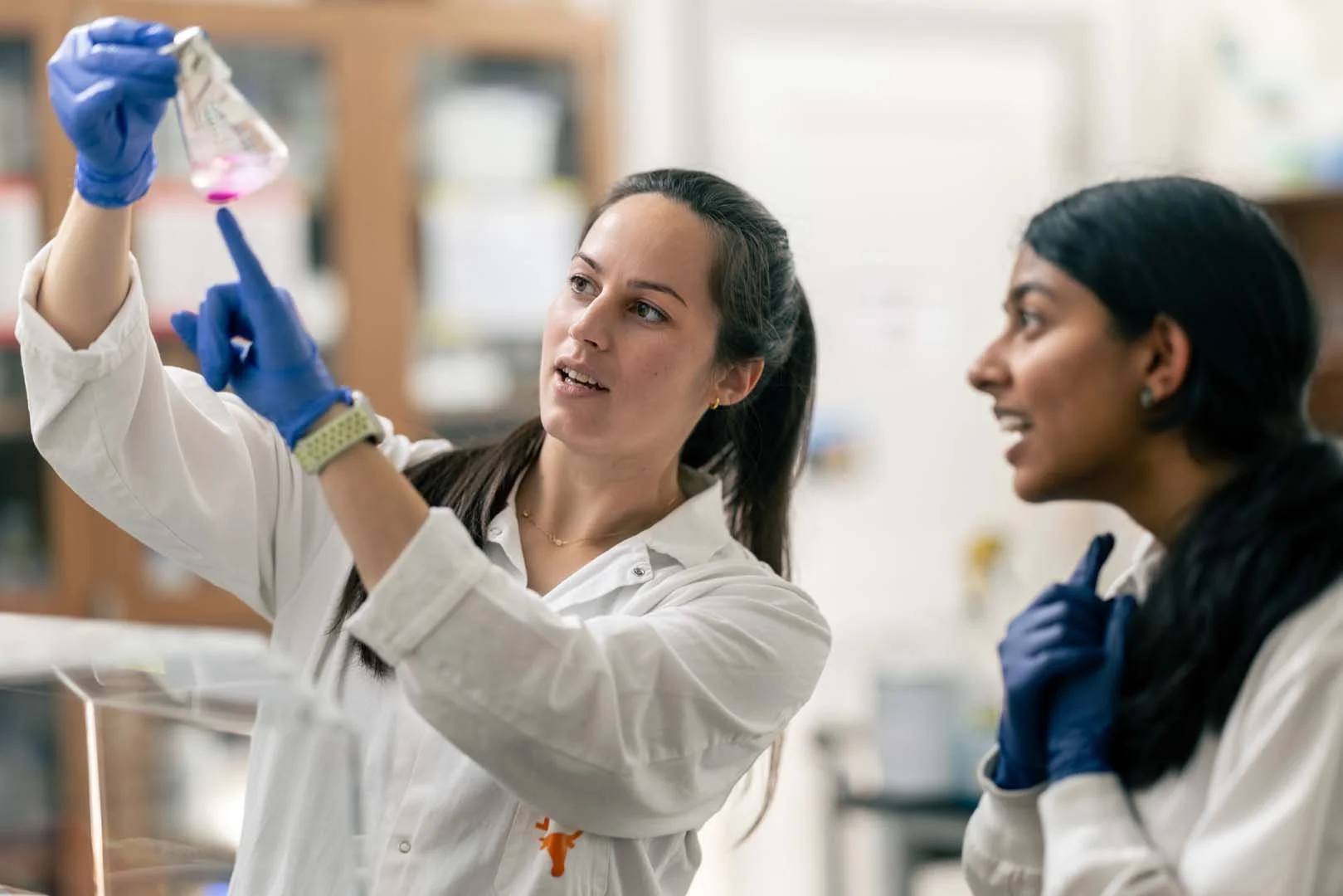
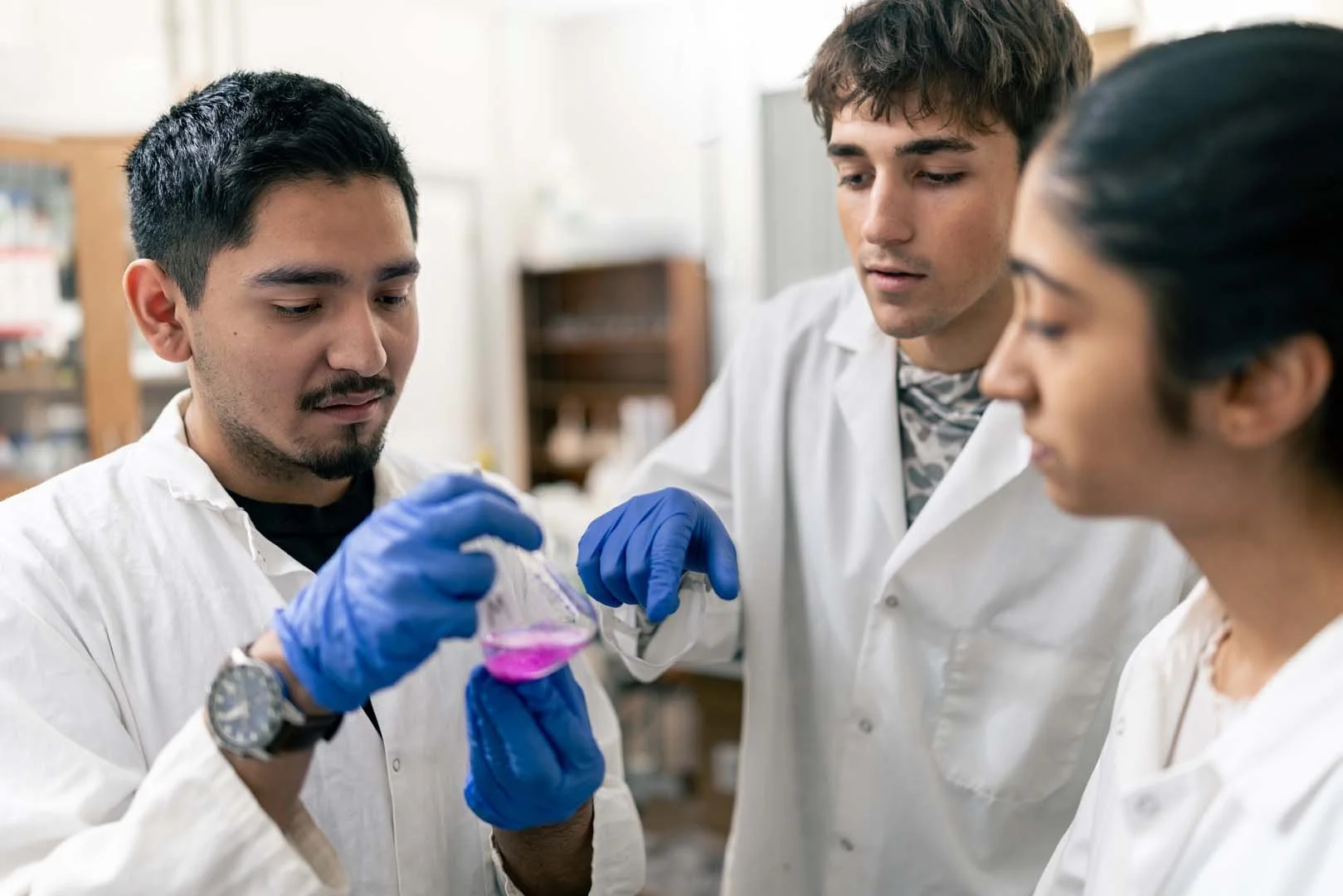
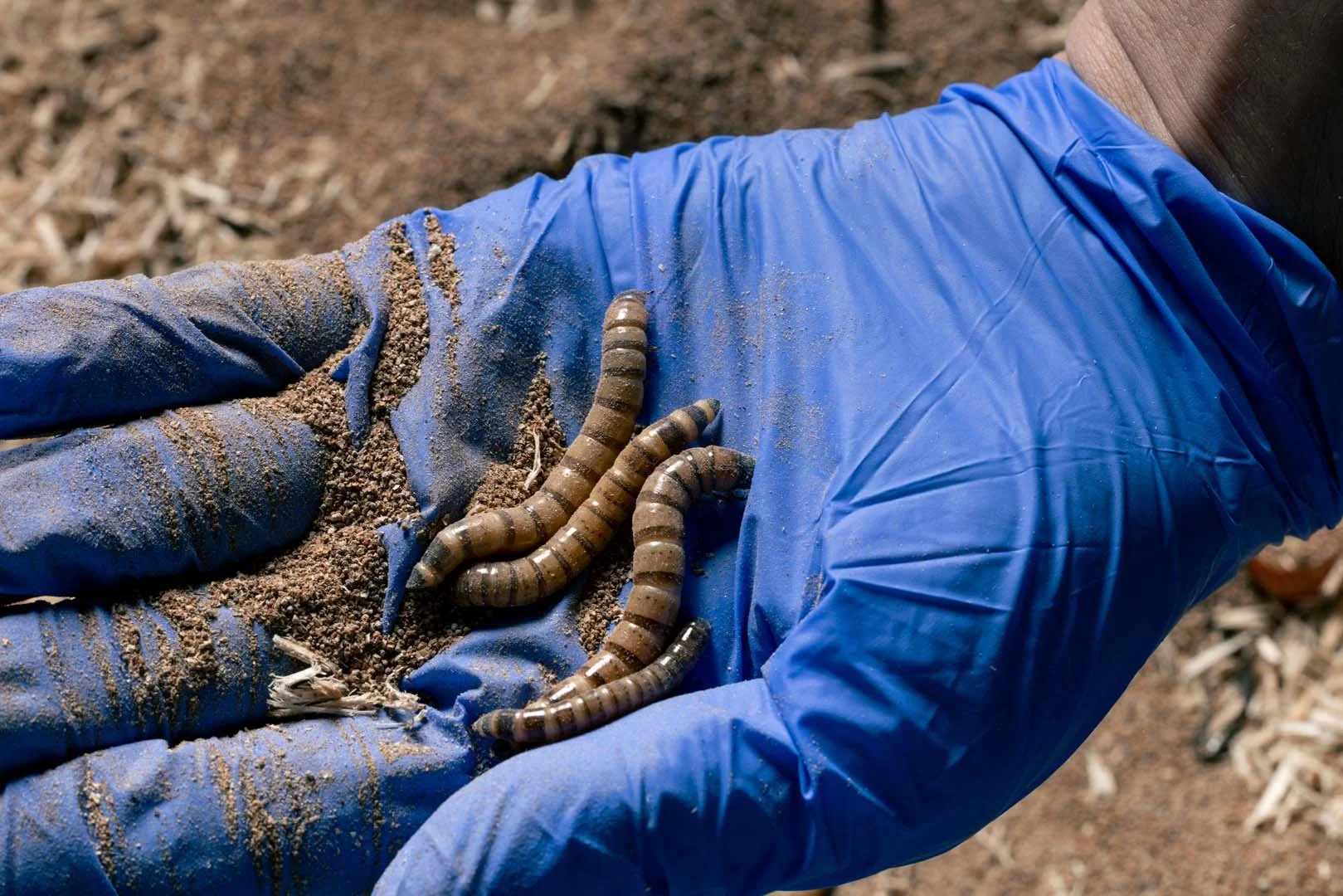
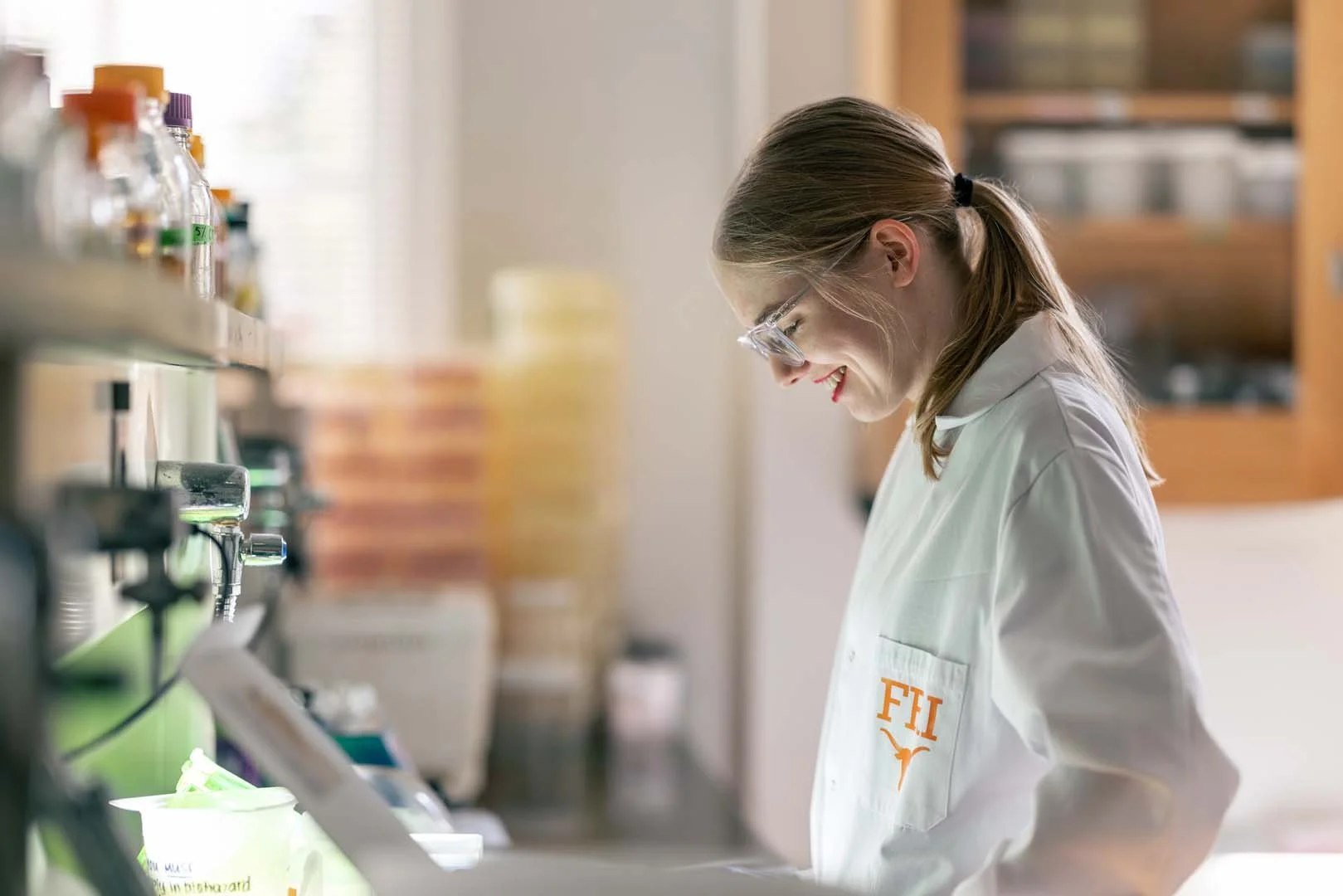
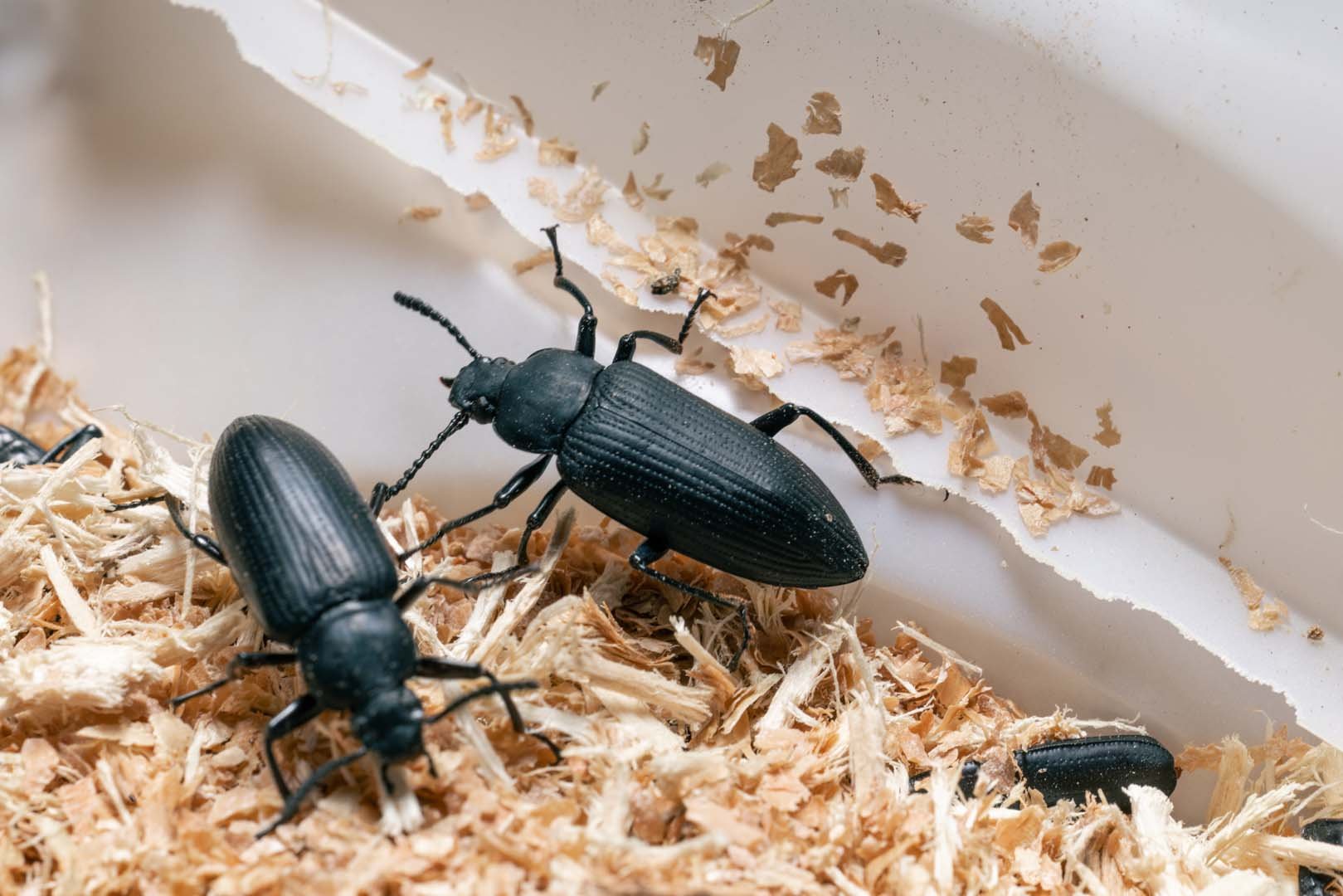
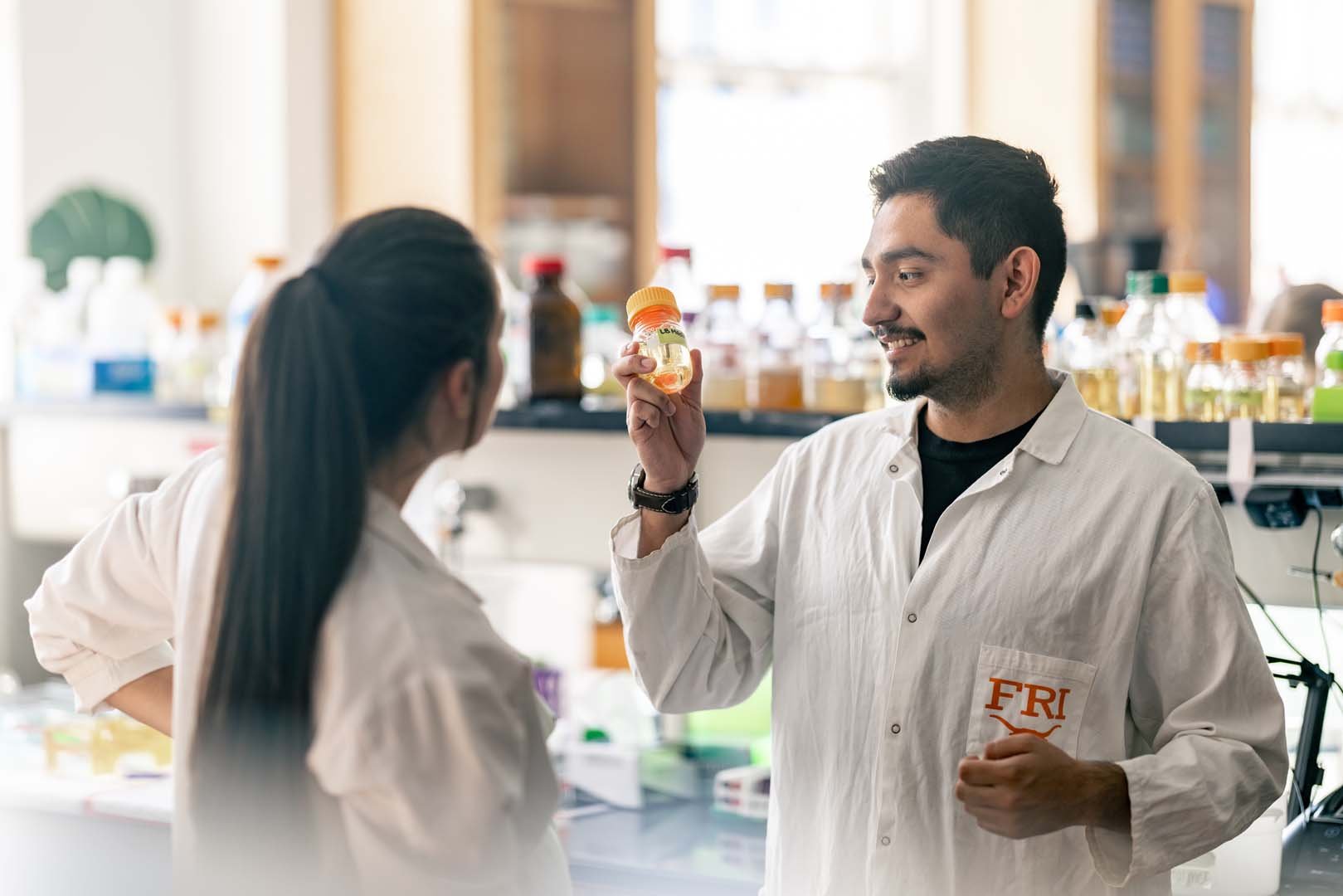
“Nine times out of 10, your experiment’s not going to go according to plan,” said Kasia Dinkeloo, research educator for the Bioprospecting research stream, which is searching for enzymes that can break down plastic waste. “Confronting failure continuously is really important. I think it encourages resilience. In my lab, it’s, ‘Come in — make some mistakes!’”
Her current student Roland Quiñones III learned this, using a method for taking a small amount of DNA and amplifying it.
“This PCR work is finicky,” said the neuroscience and psychology junior. “In one experiment, I had to do it 13 times before it succeeded. Each time, it takes a couple of hours. I learned the value of persistence.”
Set Up for Success
FRI students often see experiences in the lab lead to newly opened doors. In the Autonomous Robots research stream, Kamilah Clark and her classmates built an AI chatbot able to translate live video of someone communicating via sign language, along with their facial expressions, into text. She said the experience helped her get the most out of a summer Amazon internship working on a data science project, right after her first year as an undergrad.
“FRI gave me experience with artificial intelligence, project-based learning and collaboration. That’s what helped me succeed at Amazon,” the computer science major said.
The research educator for her stream, Justin Hart, focuses a lot on helping students get where they want to go after college, whether it’s graduate school, a career in industry or something completely different.

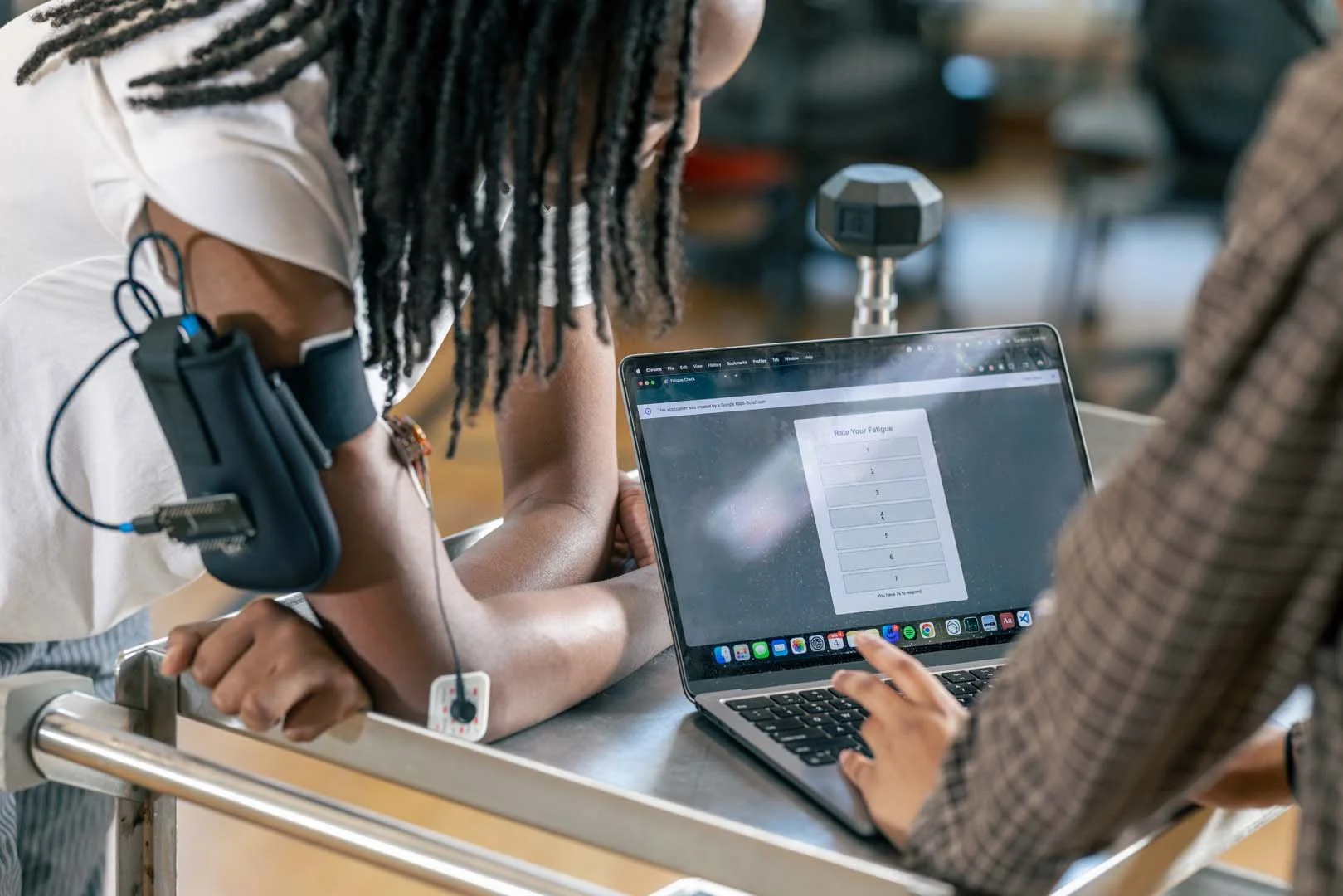
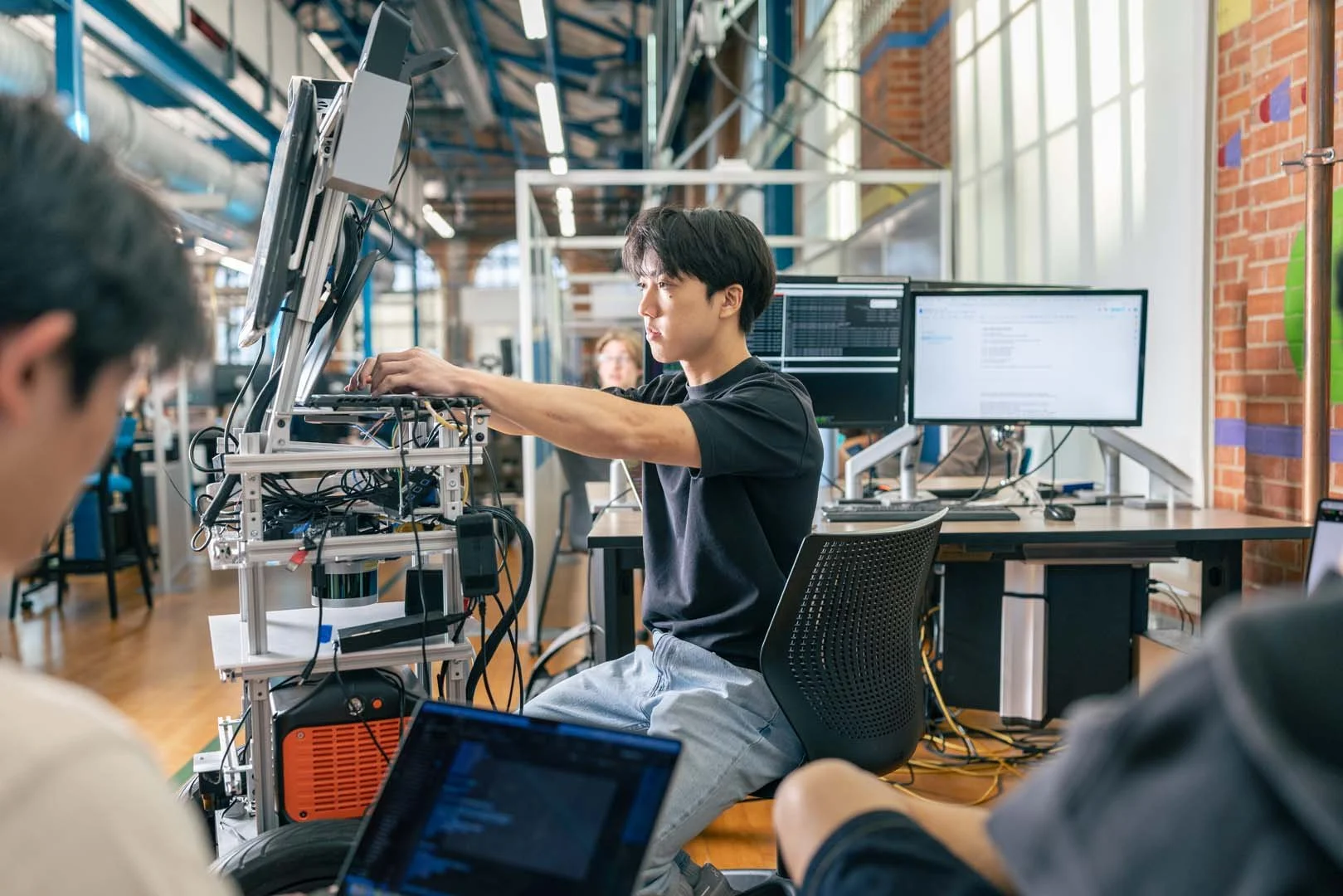
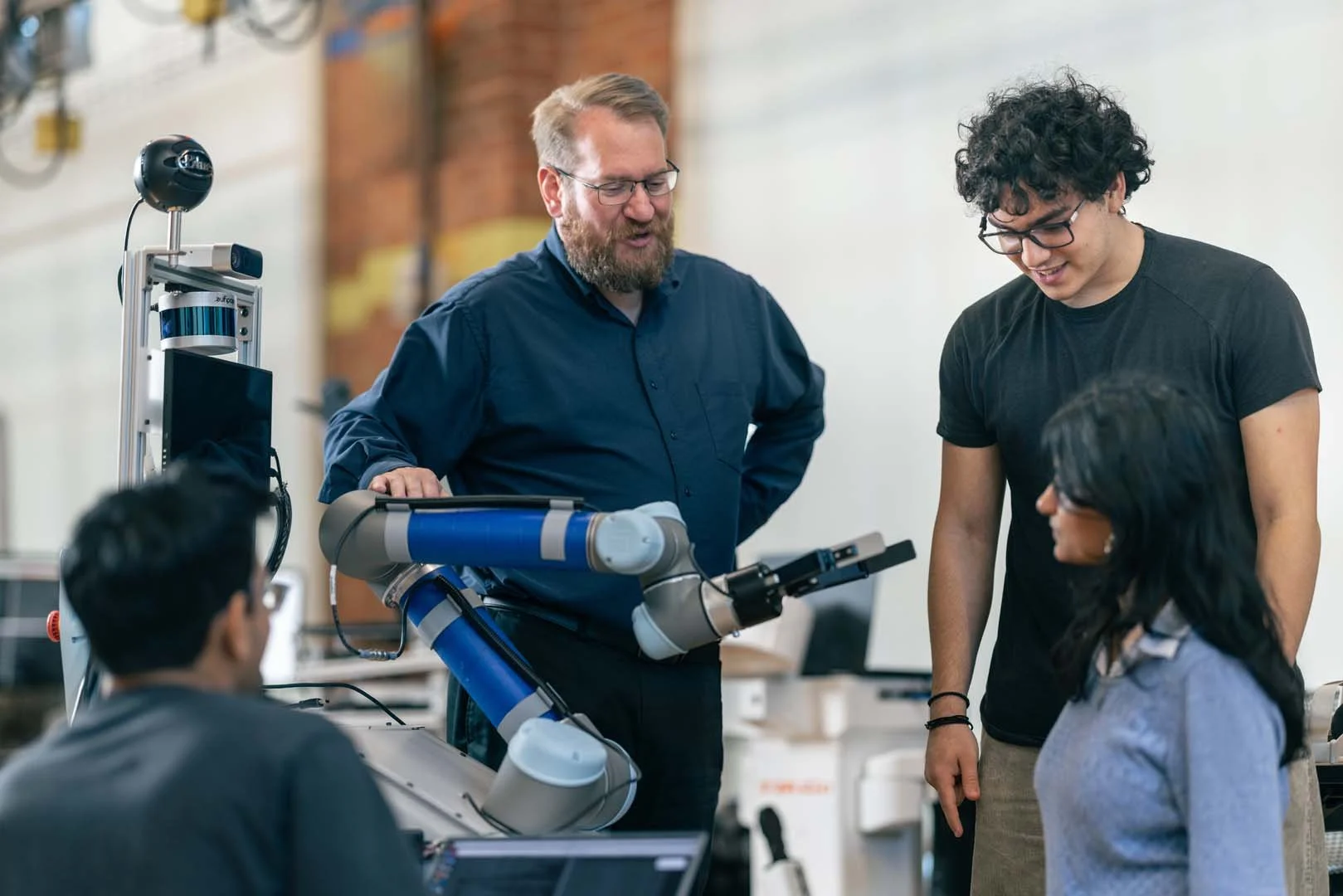
“I think the reason so many have gone on to top-tier grad programs and coveted jobs in industry is because they went and did real research as an undergraduate, presenting at leading robotics and AI conferences,” he said. “That’s why they’ve been able to go show that they’re capable of taking these superstar-type jobs.”
Morgan Micheletti (B.S. ’10) is a world-renowned ophthalmologist and director of clinical research at Berkeley Eye Center. He’s performed more than 10,000 surgeries, invented six patent-pending surgical devices, pioneered two surgical techniques and served as an investigator in more than 25 clinical trials. His early interest in research was sparked in the labs at Painter Hall as part of FRI, where he worked in the Aptamer stream. Students in the stream contribute to and maintain a database that continues to be used by scientists around the world developing novel therapeutics, diagnostics and molecular sensors. Co-authoring a paper with fellow FRI students and faculty also gave Micheletti the confidence to pursue medicine with a strong academic and investigative foundation, he said.
“Confronting failure continuously is really important. I think it encourages resilience.”
“The program taught me to think critically, design experiments, analyze data and collaborate,” said Micheletti, a 2024 Outstanding Young Texas Ex. “The development of those skills was and continues to be central to my success in medical school, residency and now as a surgeon, researcher and educator.”
Lauren DePue, a UT chemistry alumna (Ph.D. ’13), began working in FRI as a research educator in 2013 and is now its director, planning a 20th anniversary celebration and managing the expansion of the program. As she looks ahead to the next 20 years, she hopes to see the program grow so that every student who wants to participate can. She also hopes to offer more opportunities for participants, such as increasing the number of summer fellowships to allow for year-round research and travel support so students can present at more scientific conferences. She’d also love to see undergraduate research as visible as possible on campus.
“Where there’s lots of foot traffic and tours and events, the Hackerman building has a kind of fishbowl FRI lab where visitors can look in and see what students are currently working on,” DePue offered as one example. “I’d love to see other buildings be intentionally redesigned to show off undergraduate research in new ways.”